Termite control Miami homeowners actually need depends on which termite is in the house, and Miami-Dade has several candidates. Drywood termites live inside the wood itself — door frames, window trim, furniture, attic rafters — and give themselves away with small piles of sand-like pellets. Subterranean termites, including the Formosan and Asian species that have settled into South Florida, build mud tubes up from the soil and can hollow out framing behind solid-looking stucco. If you've found pellets, mud tubes, or a scatter of discarded wings on a windowsill, call (772) 783-1112, describe what you're seeing and where, and get connected with an independent local termite pro who can identify it and lay out your options.
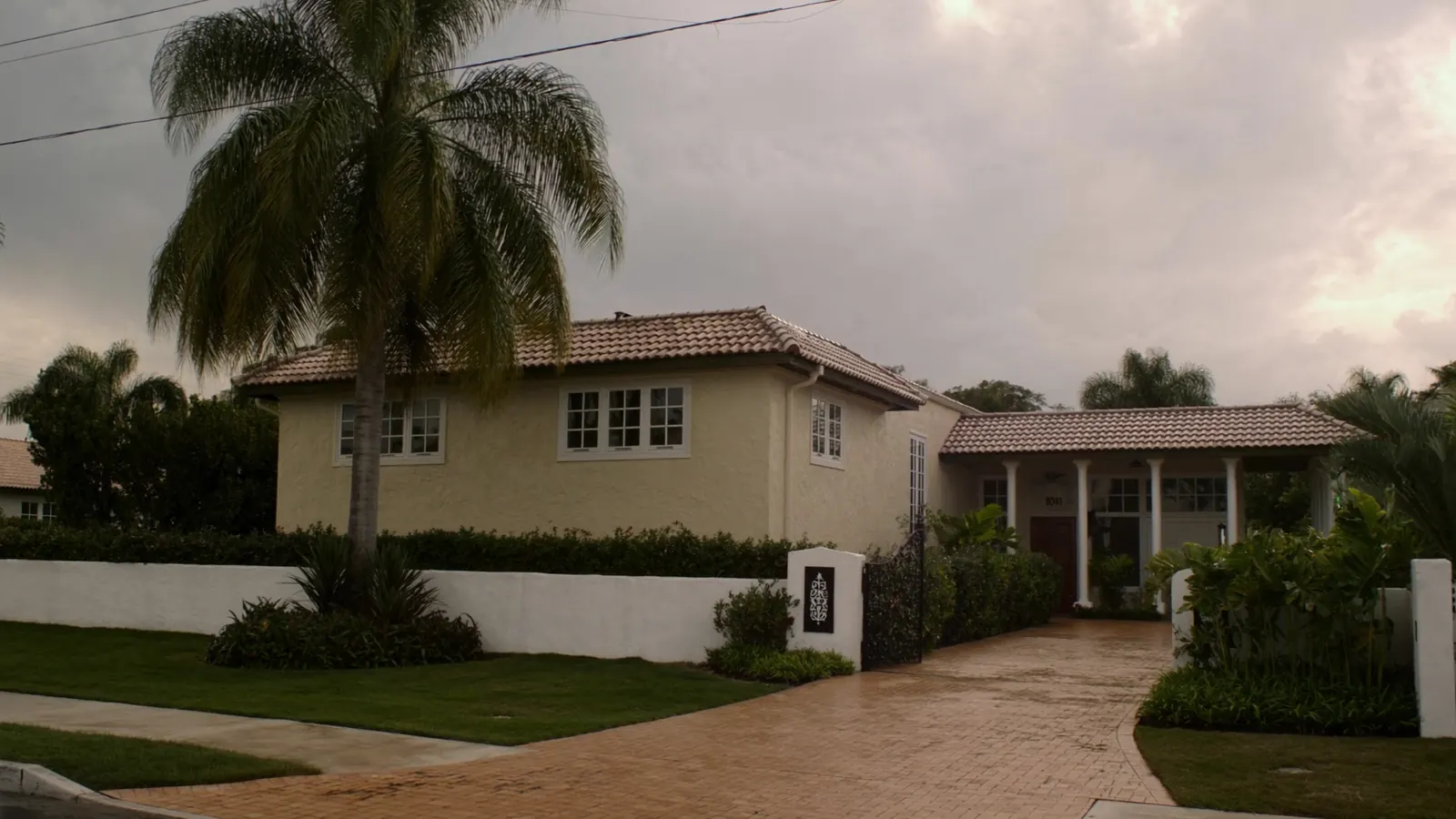
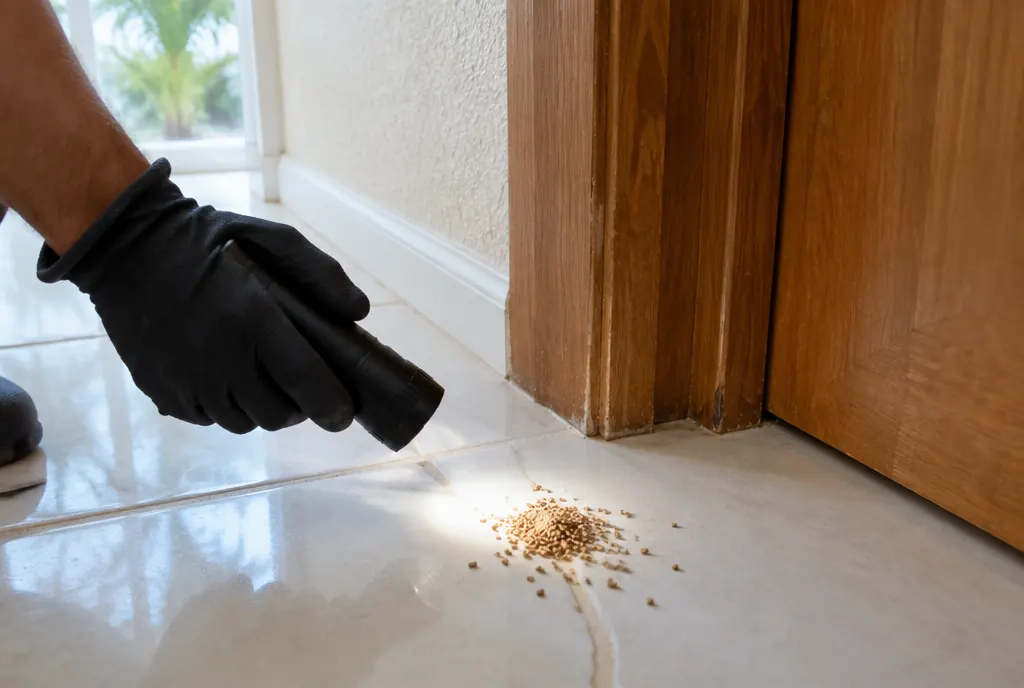
That's often drywood termite frass. Don't sweep it away yet — describe it on the call and get a local termite pro to confirm it.
Call (772) 783-1112 NowDrywood Termites vs. Subterranean Termites in Miami-Dade
Getting the species right is the first decision, because it drives everything after it.
- Drywood termites need no contact with soil. A colony sits inside a single piece of wood — attic framing, eaves, window and door casings, kitchen cabinets, a wooden dresser. The tell is frass: hard, six-sided pellets that collect in little piles beneath a pinhole the termites push them out of. Older Coral Gables and Coconut Grove homes with lots of wood trim see plenty of it, and so do condo units where one baseboard or cabinet is affected.
- Subterranean termites nest in the ground and travel through pencil-width mud tubes. Most Miami houses are concrete block with stucco, which helps, but these termites still get in through slab cracks, plumbing penetrations, expansion joints, and wood door bucks set into the block.
- Formosan and Asian subterranean termites are the aggressive members of that group. Their colonies grow very large, they can set up above ground inside wall voids when moisture is constant (a slow roof leak, a sweating AC line), and they do damage faster than native species.
On the call, just say what you found — pellets, tubes, or wings — and roughly where. That alone narrows it down.
Termite Swarm Season in South Florida
Most people learn they have termites from a swarm. Winged reproductives leave a mature colony to start new ones, and in Miami-Dade that generally runs from late winter into early summer, with Formosan swarms on warm, muggy evenings around the start of the rainy season. Swarmers fly to lights, so you find them at porch fixtures, window screens, and pool-cage lights — or as a sprinkle of shed wings on a sill the next morning. A swarm in the yard doesn't prove your house is involved; swarmers or wings indoors usually mean a colony is in or against the structure. The Miami pest season guide has the full calendar.
Termite Tenting vs. Localized Termite Treatment in Miami
Fumigation (tenting) is the whole-structure answer for drywood termites. The building is wrapped in tarps, a gas fumigant is released inside, and the structure is aired out and cleared before anyone goes back in — usually a few days away from home, with food and medicine bagged or removed and people, pets, and houseplants out. It reaches colonies in walls and wood nobody can see, which is why it's the standard call for widespread drywood activity. For condos and townhomes, tenting usually means the whole building and the association.
Localized treatment — drilling and injecting the infested wood, or applying foam or other products to one spot — fits drywood activity confined to a door frame, a section of trim, or a piece of furniture. It costs less and doesn't empty the house, but it only covers the wood that's been found.
Liquid soil treatment and bait stations handle subterranean and Formosan termites. A liquid termiticide creates a treated zone in the soil along and under the foundation; bait stations set around the perimeter are monitored and feed a slow-acting material back to the colony. Many Miami-Dade houses on slab end up with a combination, especially where a pool deck, planter, or addition makes trenching awkward.
Winged termites inside mean a colony nearby. Save a few in a bag, then call and describe where you found them.
Call (772) 783-1112 NowWhat a Termite Inspection in Miami, Florida Involves
A termite inspection is mostly about access and moisture. Expect the pro to check:
- The attic, rafters, and roof sheathing for frass and pinholes
- Window and door frames, baseboards, and wood cabinets, tapping for hollow sounds
- The slab edge, garage, and plumbing penetrations for mud tubes
- Spots near AC air handlers, water heaters, and old leaks where wood stays damp
- Fences, wood decks, and stored lumber touching the ground
You should come away knowing which termite is present, how far it seems to go, and which treatment fits. Inspection pricing and terms differ from company to company, so ask on the call rather than assuming. If you're buying or selling, say so — a wood-destroying organism report for a Florida real estate closing is its own job.
Calling a Termite Exterminator in Miami
Termites don't wreck a house overnight, but they never stop, and the longer a Formosan colony works a wall void the bigger the repair bill. A useful call covers what you found and where, whether it's a house, townhome, or condo unit, roughly how old the building is, and whether it has been treated before. Price swings widely with method and size — tenting a whole house runs well above a spot treatment — so check the pest control cost guide for typical Miami ranges.
This number is a call-connection service for Miami-Dade County termite control, not a termite company. The pros you speak with are independent local businesses that set their own prices and do their own work; before hiring one, ask for their Florida pest control license (issued through FDACS) and proof of insurance. Everything else they handle is on the Miami-Dade pest control homepage. Call (772) 783-1112 and get the right termite treatment on the calendar this week.
A local termite pro can explain which fits your home and how far the activity runs. Two minutes gets you a straight answer.
Call (772) 783-1112 Now