Rodent control Miami homeowners call about almost always comes down to three animals: roof rats, Norway rats, and house mice. Roof rats are the big one here — slim, quick climbers that live in royal palms, coconut palms, and fruit trees, run along power lines and fence tops, and slip into attics through gaps under barrel tile and at roof-to-wall joints. If you're hearing scratching overhead at night, finding droppings in the garage or under the sink, or watching a rat cross the fence line at dusk, call (772) 783-1112, say what you've found, and get connected with an independent local pro who traps them and closes the entry points.
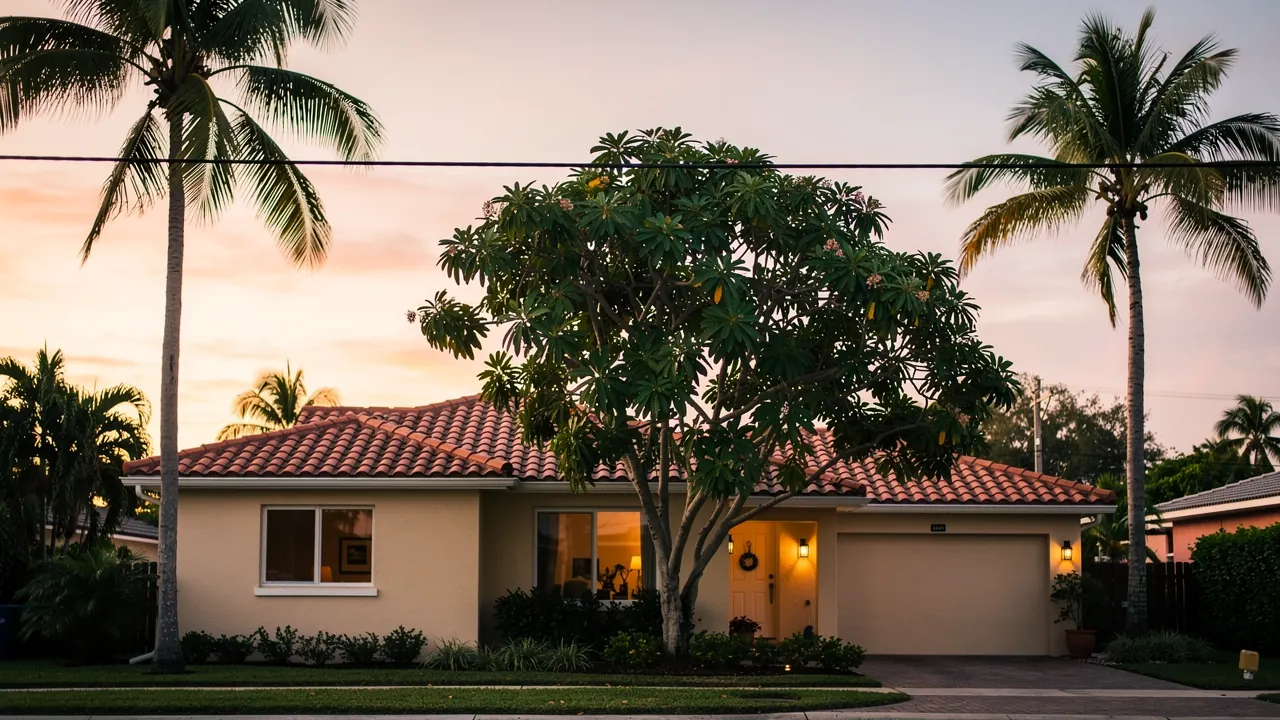
Roof rats run the palms and power lines straight to the attic. Describe what you're hearing and get a trap-and-seal plan started.
Call (772) 783-1112 NowRoof Rats, Norway Rats and House Mice in Miami-Dade
Each one lives differently, so the fix starts with knowing which you have.
- Roof rats are dark and slender, with a tail longer than the body. They nest high — attics, palm crowns, dense vines, the tops of storage shelves in the garage. Mango, avocado, and citrus trees feed them in yards across Kendall, Westchester, Coconut Grove, and Miami Gardens; half-eaten fruit on the ground is a classic sign.
- Norway rats are heavier and burrow. Look for them along foundations, under sheds and slabs, by canal banks and seawalls, and around dumpsters and restaurant alleys. They stay at ground level and come in through gaps at the base of the house.
- House mice are small enough to squeeze through a gap about the width of a pencil. They settle into kitchens, pantries, cabinet bases, and behind appliances, and they show up in apartments and older homes from Little Havana to Hialeah.
When you call a rat exterminator or a mouse exterminator in Miami, tell them what you've seen, heard, or found and where. Overhead noise points to roof rats; droppings in a kitchen drawer points to mice.
How Rat Removal and Mice Control Work in Miami
Real rodent work has two halves, and skipping either one is why problems come back.
Trapping removes what's already inside. Pros typically set snap traps along the runways rodents actually use — attic joists, the top of the garage wall, behind the stove — and place locked bait stations outside where kids and pets can't reach them. Many avoid putting poison in attics, because a rat that dies in a wall void leaves a smell you'll be living with. Follow-up visits check and reset traps until activity stops.
Exclusion keeps the next ones out. That means sealing gaps at the roofline and soffits, under barrel tile edges, around AC line sets, dryer vents, and plumbing penetrations, and at garage door corners — with steel mesh, hardware cloth, and metal flashing rather than foam alone. Trimming palm fronds and tree limbs back from the roof takes away the bridge. Ask whether exclusion is part of the price when you call; it's the difference between one round of trapping and a standing problem.
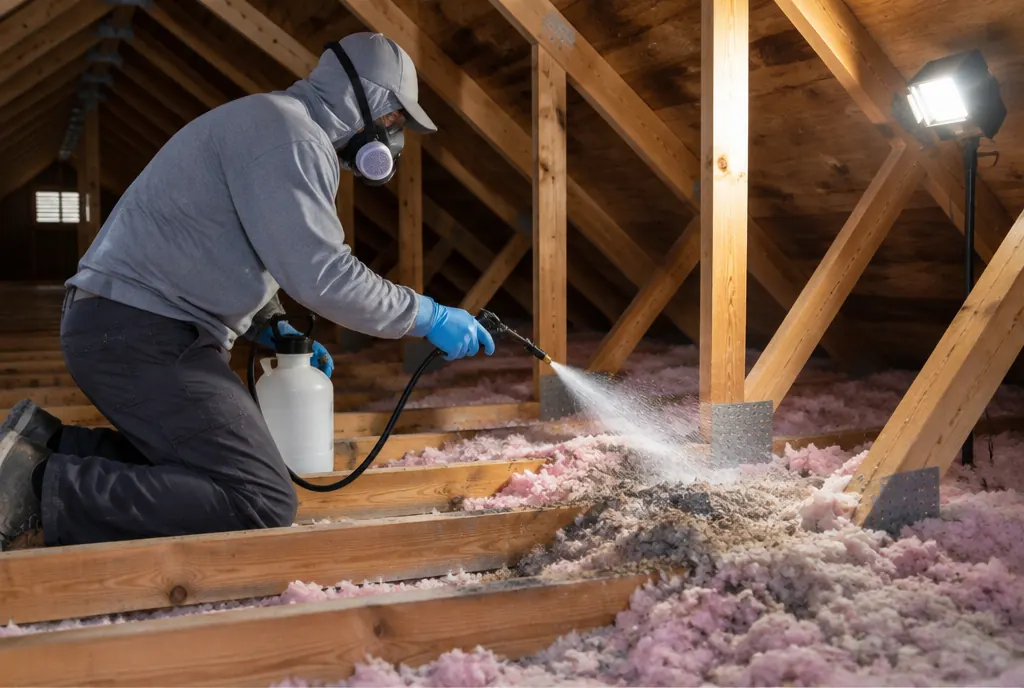
Dust from rodent waste is the risk. Leave it, describe it on the call, and let a local pro handle the cleanup the right way.
Call (772) 783-1112 NowRodent Droppings Clean Up Service in Miami, FL
Getting the rats out is only part of it. Droppings, urine, and nesting material left behind in an attic or garage can carry disease, and rat urine in particular is linked to leptospirosis. Don't sweep or vacuum dry droppings — that puts particles in the air. For a small spot, wear gloves, soak the droppings with a disinfectant, wait, then wipe them up and bag them.
Bigger jobs — an attic full of soiled insulation, droppings across a garage, odor that won't quit — call for a proper cleanup and sanitation service: removing contaminated insulation and nesting debris, disinfecting the area, and in some cases replacing insulation. It should happen after the rodents are gone and the entries are sealed, or you're cleaning for the next batch. Ask on the call whether the company handles cleanup itself or brings in someone who does.
Rodent Control in Miami Beach and Dense Neighborhoods
Rodents follow food and water, and the dense parts of the county have both: restaurant rows, condo trash rooms, seawalls, and alleys in Miami Beach, downtown, and Little Havana. In a condo, rats in shared areas are usually the association's job to address, while activity inside your unit may involve both of you — mention the building type when you call. Weather matters too. Heavy rainy-season downpours can flood Norway rats out of their burrows, and after a hurricane or strong storm, debris piles and damaged roofs open new routes in. A quick look along the roofline after a storm is worth the five minutes.
Choosing Among Rodent Control Companies in Miami, FL
This number reaches a call-connection service, not a rodent control company. The pros who answer are independent Miami-Dade businesses that quote and perform their own work. Good questions to ask: Is exclusion included? How many follow-up visits? Do you handle droppings cleanup? Before you hire, ask for their Florida pest control license (FDACS issues it) and proof of insurance. Price depends on the size of the house, how many entry points need sealing, and whether attic cleanup is involved — see the pest control cost guide for typical Miami ranges.
Other pests these pros handle are on the Miami pest control services page and the homepage. Rats and mice breed fast and don't leave on their own. Call (772) 783-1112 and get trapping and sealing started this week.
Ask about rodent exclusion at the roofline, soffits, and A/C lines — it's the half of the job that lasts.
Call (772) 783-1112 Now